
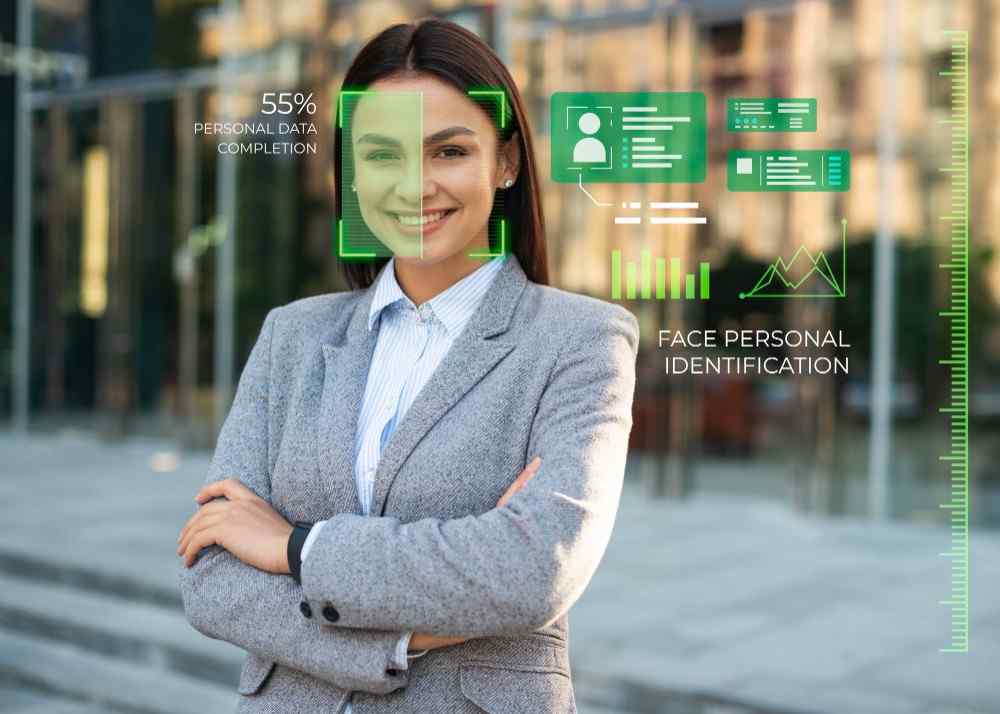
AI content and detection tools are transforming how platforms identify, filter, and manage harmful digital content at scale. From text moderation to image recognition and live video monitoring, these tools help companies protect users, comply with regulations, and maintain brand integrity.
This guide explains what AI content detection tools are, how they work, leading providers, use cases, and how to choose the right solution.
What Are AI Content and Detection Tools?
AI content and detection tools are software systems that use machine learning, natural language processing (NLP), and computer vision to automatically identify harmful, inappropriate, or policy-violating content.
They can detect:
- Hate speech
- Harassment and bullying
- Adult/explicit material
- Violence and graphic content
- Misinformation
- Spam and fraud
- Self-harm indicators
- Copyright violations
These systems operate across formats including text, images, video, audio, and live streams.
How AI Content Detection Tools Work
AI moderation systems typically follow a multi-layered process:
1. Data Ingestion
Content (text, images, videos, comments, streams) is uploaded or posted to a platform.
2. Automated Analysis
AI models analyze the content using:
- NLP for text classification
- Computer vision for image and video detection
- Audio recognition for speech analysis
- Pattern recognition for spam/fraud signals
3. Risk Scoring
The system assigns a confidence score based on policy categories.
4. Action or Escalation
- Low-risk content is approved automatically.
- Medium-risk content may be flagged for human review.
- High-risk content is blocked or escalated immediately.
5. Continuous Learning
Feedback from human moderators improves model accuracy over time.
The strongest systems combine automation with human oversight.
Leading AI Content & Detection Platforms
Below are companies offering AI-powered or hybrid moderation and detection tools:
- Foiwe – Enterprise-focused trust and safety solutions combining AI detection with human review workflows.
- ContentAnalyzer.ai – AI-driven detection for text, image, and video content.
- Proflakes – Scalable moderation operations integrating automation with workforce support.
- ContentModeration.in – Multilingual moderation services with structured workflows.
- ContentModeration.info – Moderation process support and enforcement systems.
- ModerateImages.com – Automated image recognition and unsafe content filtering.
- ModerateLive.com – Real-time AI moderation for live streaming environments.
- ModerateVideos.com – AI-powered video analysis and categorization tools.
- TNSI.ai – Advanced AI threat detection and compliance monitoring.
- TNSS.io – Moderation analytics, workflow management, and detection infrastructure.
- UGCModerators.com – Human-led UGC moderation supported by AI triage tools.
Each platform varies in specialization—some focus heavily on AI automation, while others emphasize hybrid human-in-the-loop systems.
Key Use Cases for AI Content Detection
Social Media Platforms
Automated filtering of hate speech, misinformation, and abuse.
Marketplaces
Fraud detection, counterfeit identification, and prohibited product listings.
Gaming & Community Platforms
Toxicity detection in chat and voice communications.
Live Streaming Services
Real-time moderation of video and comments.
Enterprise Platforms
Internal compliance monitoring and brand safety protection.
Benefits of AI Content Detection Tools
- Scalable moderation for high-volume platforms
- Faster response times
- Reduced operational costs
- Improved consistency in enforcement
- Regulatory compliance support
- Real-time risk mitigation
Limitations of AI Moderation
Despite advances, AI is not perfect:
- Struggles with sarcasm and context
- Cultural and language nuances can reduce accuracy
- False positives and false negatives still occur
- Requires human oversight for sensitive decisions
That’s why hybrid AI + human moderation remains the most reliable model.
How to Choose the Right AI Detection Tool
When evaluating providers, consider:
- Accuracy rates and model transparency
- Multilingual support
- Integration capabilities (API, dashboards)
- Real-time processing capacity
- Human review integration
- Compliance readiness (GDPR, regional regulations)
- Reporting and analytics depth
Request demos, pilot programs, and performance metrics before committing.
Summary
AI content and detection tools use machine learning and computer vision to automatically identify harmful text, images, videos, and live content. Platforms use them to scale moderation, improve response times, and maintain compliance. The most effective systems combine AI automation with human review to ensure accuracy and contextual judgment.
Final Thoughts
AI content detection tools are no longer optional for growing digital platforms. As regulations tighten and user expectations rise, proactive moderation powered by intelligent systems is becoming the foundation of digital trust.
The future of Trust & Safety lies in hybrid intelligence — where AI provides scale and speed, and human expertise ensures fairness and context.